Berkeley highlight
Free Speech Movement history
The Free Speech Movement erupted in the fall of 1964 as students and administrators clashed over the right to advocate for political causes on the Berkeley campus.
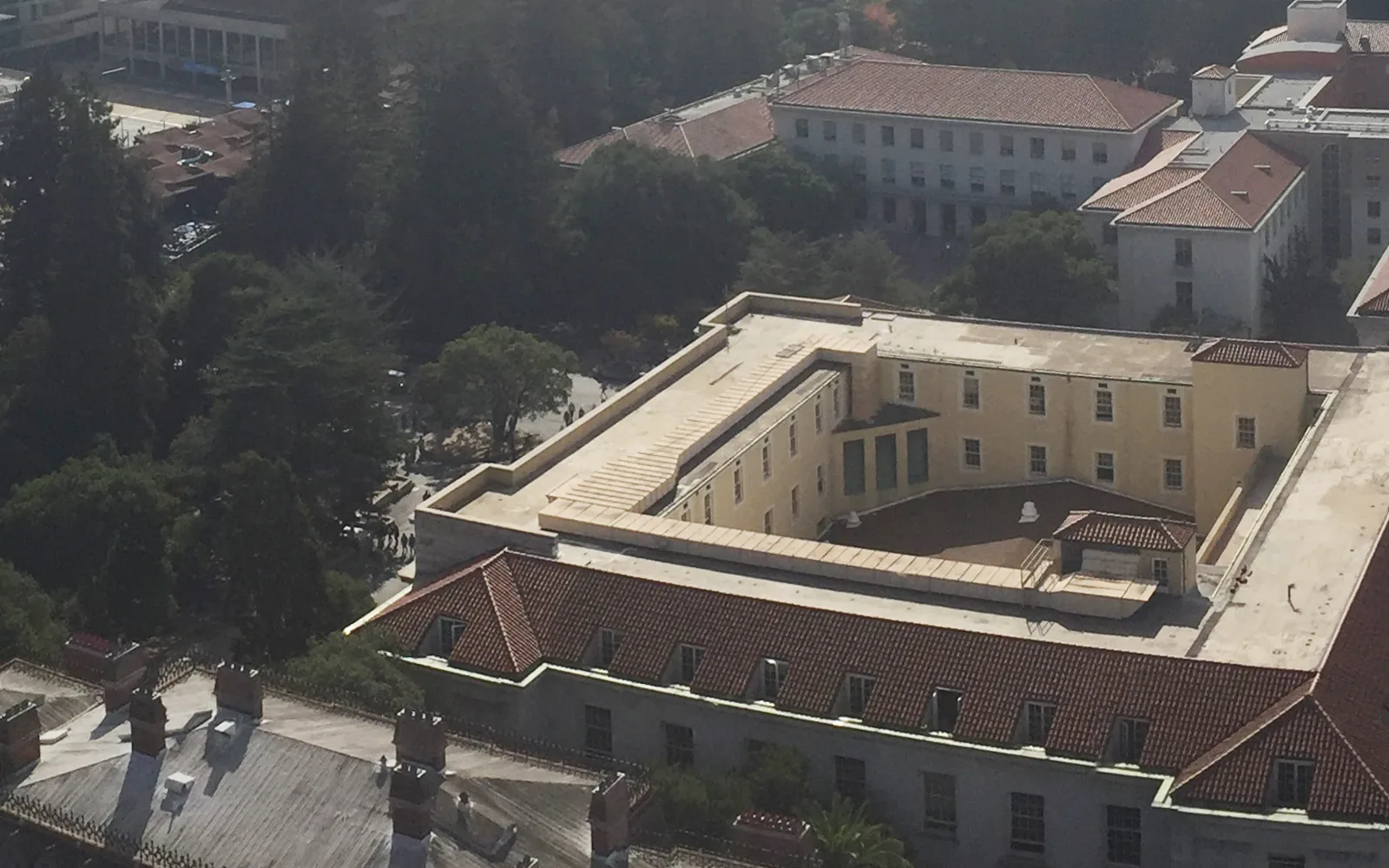
The Free Speech Movement began in the fall of 1964 when UC Berkeley administrators suspended student leaders, including Mario Savio, for their activism. Students and faculty organized in response, demanding the right to advocate for political causes on campus. The movement led to intense negotiations between student organizers and the university administration, with each side presenting demands and counteroffers.
The protest ultimately transformed Berkeley as an institution. Following the FSM, students won expanded roles in university governance, including participation in Academic Senate committees and later a voting Student Regent position on the UC Board of Regents. The campus also launched innovative programs like DeCal, which allows students to design and teach courses themselves. Chancellor Edward Strong resigned in the aftermath, marking a significant shift in campus leadership.
The Free Speech Movement established Berkeley as a national center for political engagement and civic participation, a legacy that continues today. For Berkeley families, that tradition of activism and voice often extends to the decisions they make about their own futures—including practical steps like ensuring their dependents are protected. A term policy that covers your family's financial needs during your working years is one way to ensure your wishes, not circumstance, guide your family's path.